
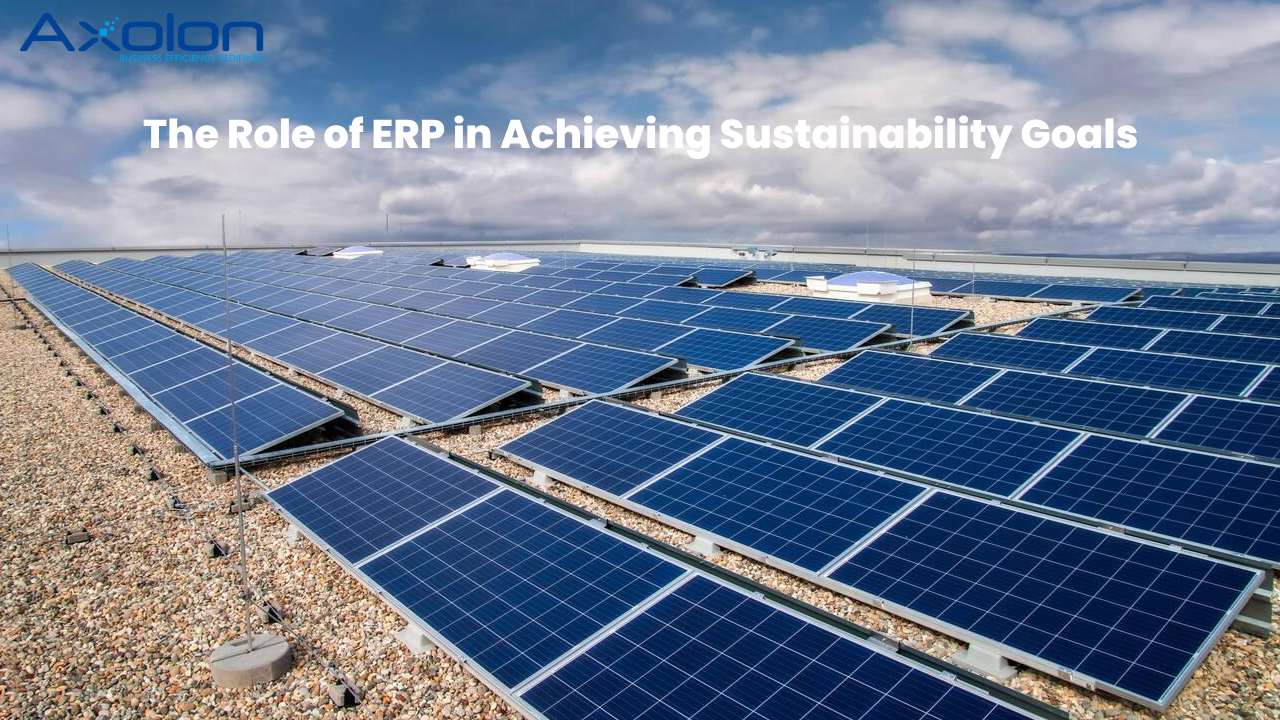
Sustainability has become a cornerstone of modern business strategy, driven by the urgent need to address environmental challenges and align with global sustainability initiatives. Companies increasingly adopt practices that reduce their environmental impact, conserve resources, and meet evolving regulations. However, achieving sustainability goals requires more than ambition—it demands precision, visibility, and control over operations. ERP (Enterprise Resource Planning) software is transformative in enabling businesses to meet these goals. By centralizing data, streamlining processes, and delivering actionable insights, ERP systems empower organizations to improve efficiency and reduce waste. ERP solutions are essential for businesses in sustainability-focused regions like the UAE and Dubai in achieving their green objectives.
Optimizing Resource Usage for Environmental Efficiency
One of the most direct ways ERP software contributes to sustainability is by optimizing resource usage. ERP systems provide detailed insights into how energy, materials, and other resources are consumed across operations. This visibility allows businesses to identify inefficiencies, reduce waste, and implement more sustainable practices. For example, ERP can track energy consumption across facilities, highlighting areas where processes can be streamlinedto save power. Similarly, it enables businesses to monitor material usage during production, ensuring that resources are utilized efficiently and waste is minimized. By leveraging ERP, companies can improve environmental efficiency while reducing operational costs.
Enabling Transparent Reporting and Compliance
Compliance with sustainability regulations and standards is a critical component of achieving sustainability goals. ERP systems simplify this process by automating the tracking and reporting of key environmental metrics, such as carbon emissions, energy usage, and waste management. With ERP, businesses can generate accurate and detailed reports that meet the requirements of international certifications like ISO 14001 or regional regulations. This transparency not only helps organizations avoid penalties but alsodemonstrates their commitment to sustainability to stakeholders and customers. By ensuring compliance, ERP software supports businesses in aligning their operations with global environmental standards.
Supporting Circular Economy Practices
The circular economy focuses on reducing waste by reusing, refurbishing, and recycling materials. ERP software is a critical enabler of this approach, helping businesses track product lifecycles and manage reverse logistics efficiently. For instance, ERP can monitor the return of used products, ensuring they are processed for recycling or refurbishment instead of discarded. Additionally, ERP systems provide visibility into the flow of materials, making it easier for companies to integrate sustainable practices into their supply chains. By supporting closed-loop systems, ERP enables businesses to maximize resource value and contribute to a more sustainable economy.
Improving Supply Chain Sustainability
A sustainable supply chain is essential for businesses aiming to reduce their environmental impact. ERP software provides comprehensive visibility into supply chain operations, enabling companies to identify inefficiencies, ensure ethical sourcing, and minimize waste. For instance, ERP systems can track supplier compliance with environmental standards, ensuring that raw materials are sourced responsibly. Additionally, ERP streamlines logistics by optimizing transportation routes and reducing unnecessary shipments, which helps lower carbon emissions. By enhancing supply chain transparency and efficiency, ERP empowers businesses to build eco-friendly operations that align with sustainability goals.
Reducing Carbon Emissions with Data-Driven Insights
Carbon emissions remain a major concern for businesses committed to sustainability. ERP systems help tackle this challenge by providing detailed analytics on energy usage, transportation emissions, and production processes. These insights allow companies to pinpoint carbon-intensive activities and implement strategies to reduce their footprint. For example, ERP can identify opportunities to transition to renewable energy sources, optimize production schedules for energy efficiency, or consolidate shipments to minimize transportation emissions. By leveraging data-driven insights, businesses can take targeted actions that significantly reduce their carbon footprint while maintaining operational efficiency.
Empowering Workforce Engagement in Sustainability Initiatives
Sustainability is not just about processes—it’s also about people. ERP software can help engage employees in sustainability initiatives by tracking participation, providing training, and monitoring the impact of their efforts. For instance, ERP systems can log employee contributions to green programs, such as recycling drives or energy-saving campaigns, and generate reports on their effectiveness. This data can be used to recognize top contributors or refine strategies for better outcomes. By fostering a culture of sustainability within the workforce, businesses can amplify their environmental efforts and ensure long-term success.
Driving Innovation for Sustainable Business Models
Innovation is a key driver of sustainability, and ERP systems enable businesses to experiment with and implement new, eco-friendly practices. By centralizing data and providing actionable insights, ERP helps companies explore innovative models like product-as-a-service, on-demand manufacturing, and sustainable supply chains. For example, businesses can use ERP to pilot initiatives that reduce material usage or adopt circular economy practices, such as repurposing waste into new products. These systems also support data-driven experimentation, enabling companies to test the feasibility and impact of their green strategies. With ERP as a foundation, businesses can transition to sustainable models that drive growth while minimizing environmental impact.
Sustainability is no longer optional—it is a critical part of business strategy in today’s environmentally conscious world. ERP software is indispensable in achieving sustainability goals by optimizing resource usage, improving supply chain transparency, and supporting innovative practices. For businesses in regions like the UAE and Dubai, where sustainability is a growing priority, ERP solutions provide the tools to align operations with global environmental standards. By leveraging ERP, companies can reduce waste, lower emissions, and foster a culture of sustainability within their organizations. In doing so, they not only contribute to a greener future but also enhance their competitiveness in a market that increasingly values eco-conscious practices.


